 Create Future Gaming 2023-1-ES01-KA210-SCH-000150686
Course Content
Topic outline
-
-
Forum
-
-
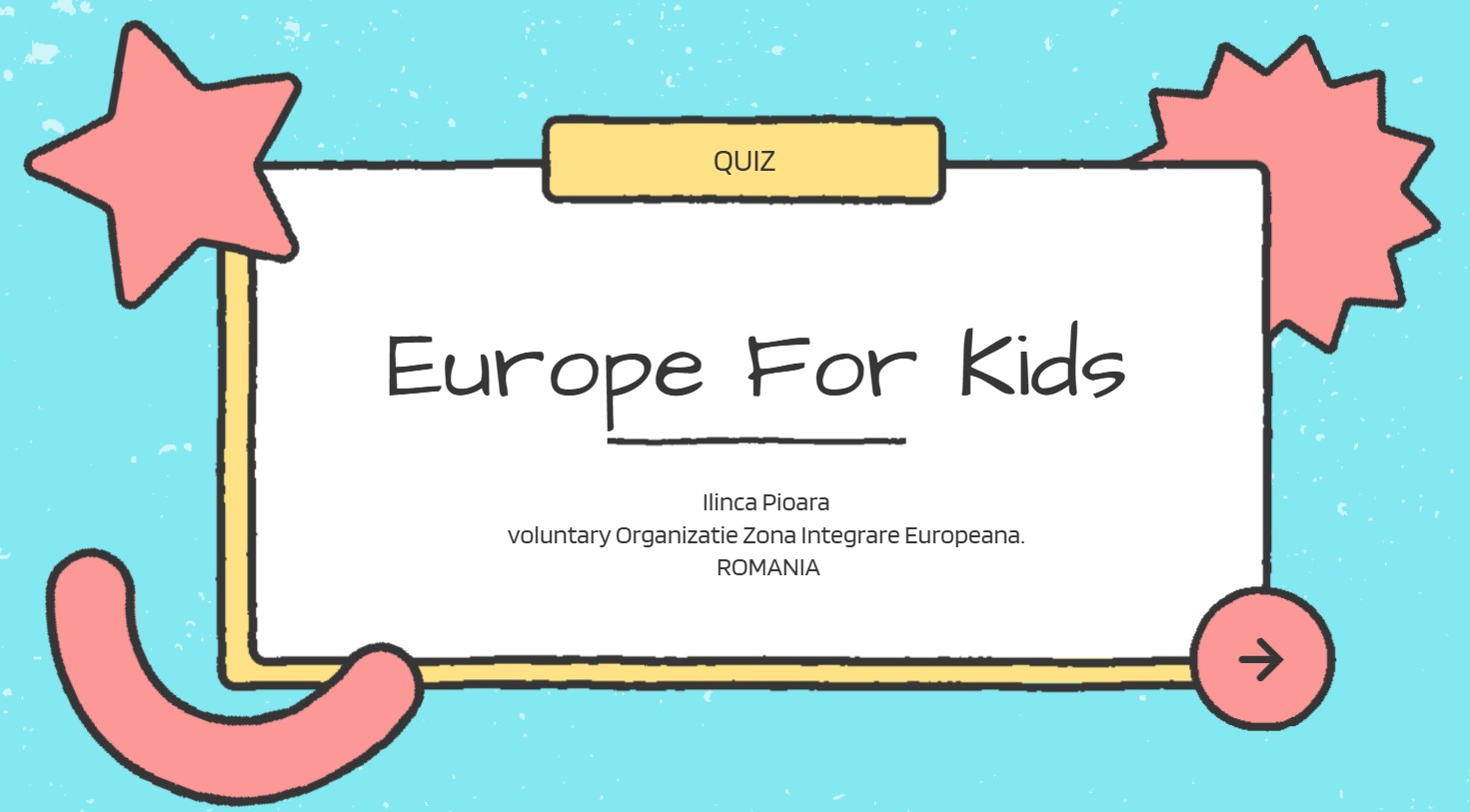
Game:Europe for KIDS
The interactive game “Europa Quiz”, created by student Ilinca Pioara , available on the Genially platform, is an educational activity for children, designed to test and improve their knowledge of the geography and culture of Europe.
Structured as a questionnaire with 5 questions, the quiz addresses topics such as European capitals, tourist attractions, important rivers and fauna specific to certain regions. For example, one of the questions is:“If you were in front of Buckingham Palace, visiting Madame Tussauds or watching a tennis match at Wimbledon, which capital would you be in?”Participants must choose the correct answer from the options provided, and at the end they receive an encouraging message or the suggestion to try again, depending on the score obtained.
This game is an interactive and fun way to learn about Europe, ideal for primary and secondary school students.
-
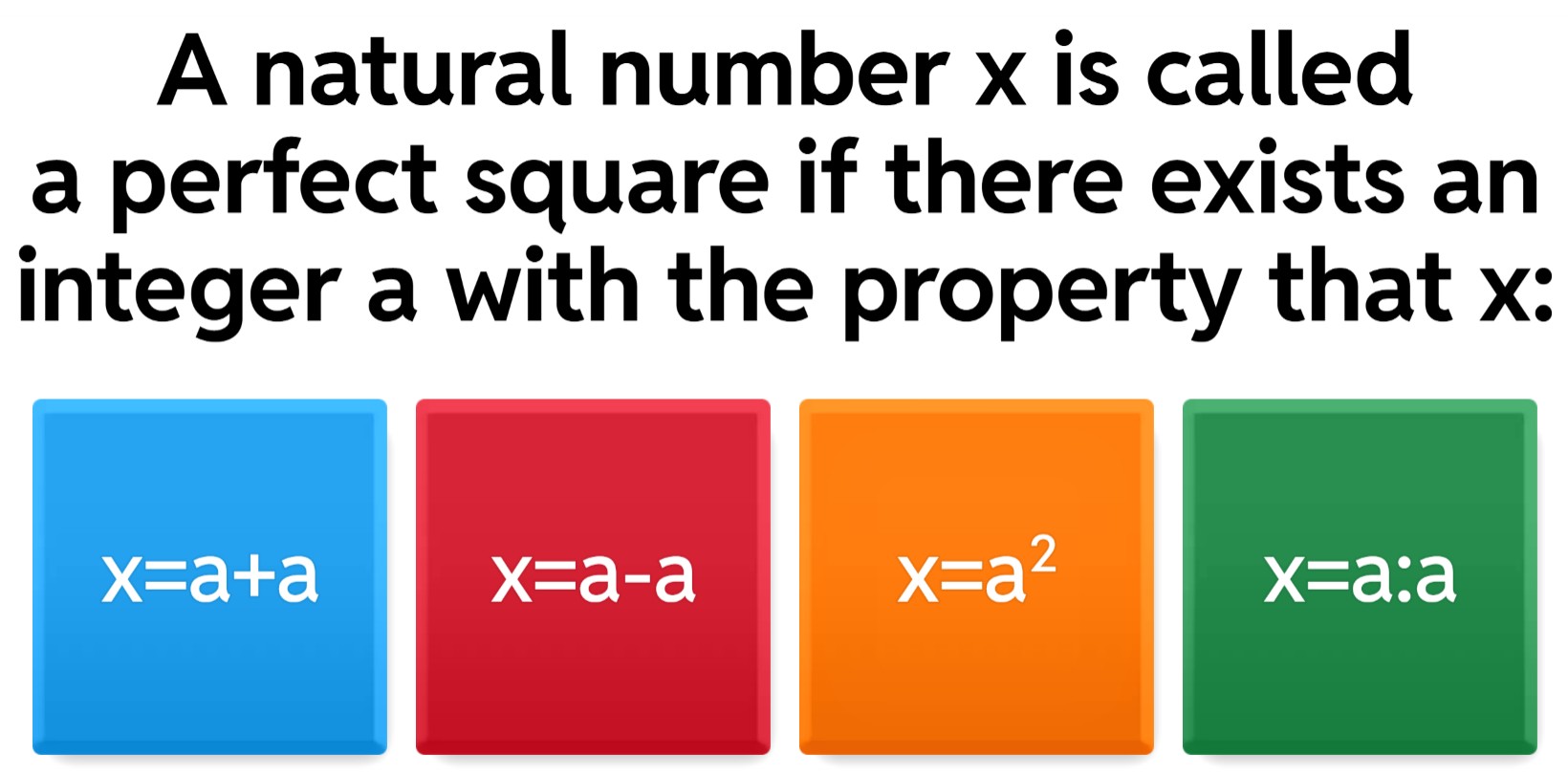
The game "MATEMATICA QUIZ " available on the Wordwall platform is an interactive test designed to assess and consolidate students' mathematics knowledge. The game is created by student Stanciu Ioana Maria, Sf Apostol Andrei, Buzau, Romania.
English version
Spanish version
Czech version
Turkish version
The game has versions in English, Czech, Spanish and Turkish, and the content is focused on fundamental mathematical concepts, being suitable for students in primary and secondary school.The game structure is simple and intuitive: participants enter their name and start the quiz, which consists of a series of multiple-choice questions. Each question is designed to test understanding of basic mathematical concepts. At the end of the test, students receive immediate feedback, and the results can be integrated into Google Classroom, thus facilitating progress monitoring by teachers.
This type of activity is ideal for making mathematics learning more attractive and encouraging healthy competition between students.
-
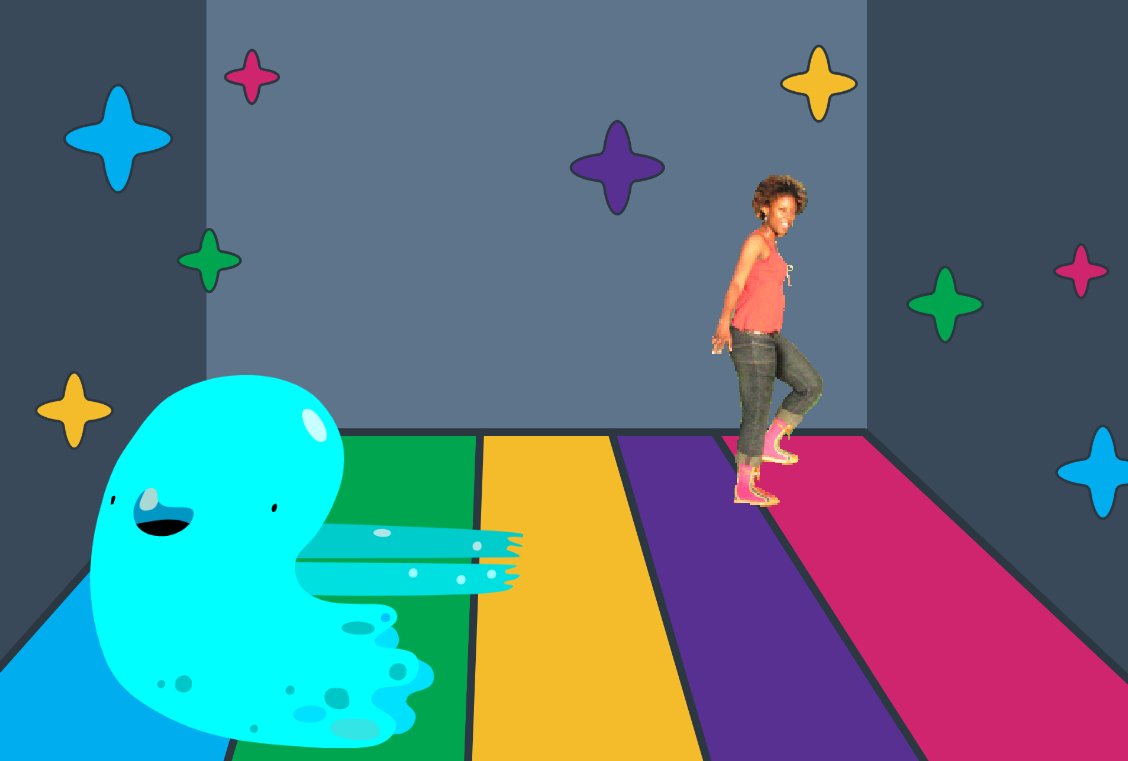
The game available at https://scratch.mit.edu/projects/1129316793/embed is an interactive project created on the Scratch platform, which offers an educational and fun experience for users.
Projects made on Scratch allow users to interact with animated characters, solve challenges, or learn new concepts through animations and programmed interactions. These games are used for educational purposes, being created by students or teachers to facilitate learning through play.
To explore this game and discover its content, I invite you to access the link provided and interact with the project directly on the Scratch platform.
-
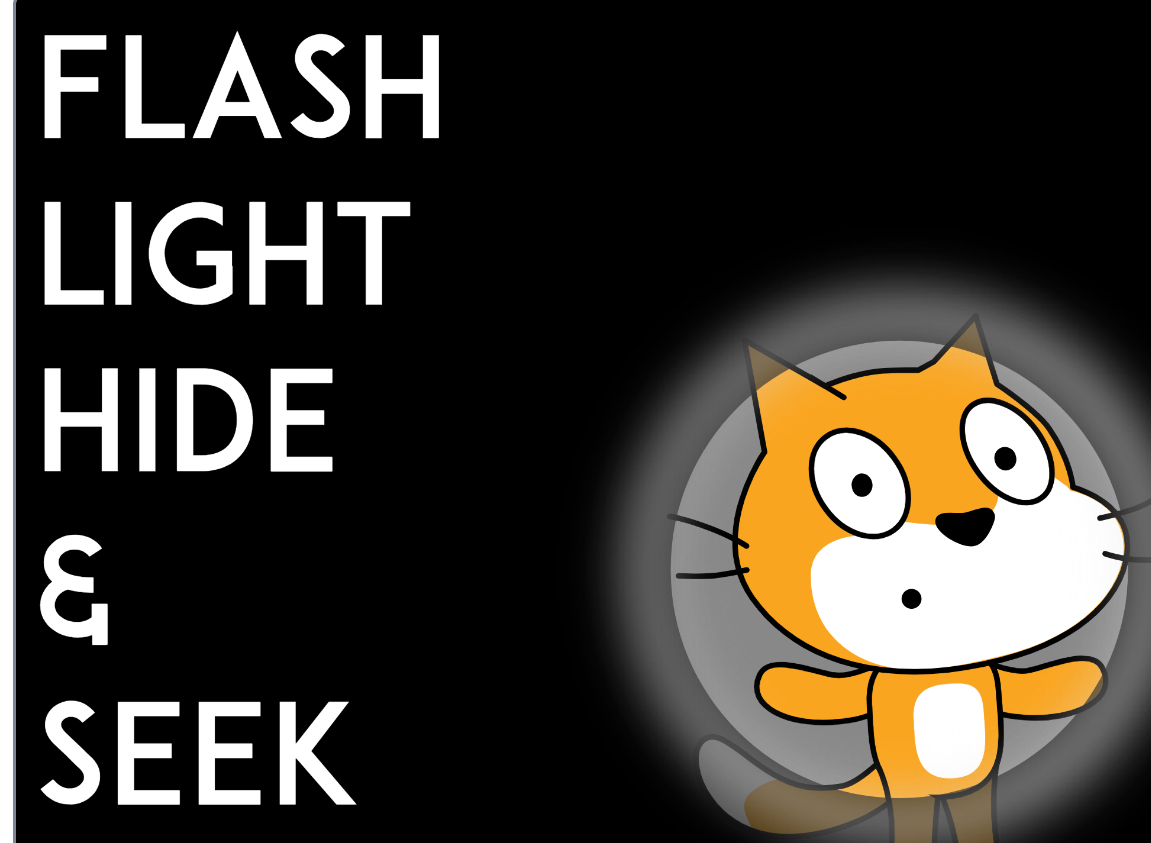
The game available at Hide And Seek on Scratch is an interactive project created on the Scratch platform, which offers an educational and fun experience for users.
Projects made on Scratch allow users to interact with animated characters, solve challenges, or learn new concepts through animations and programmed interactions. These games are used for educational purposes, being created by students or teachers to facilitate learning through play.
To explore this game and discover its content, I invite you to access the link provided and interact with the project directly on the Scratch platform.
-
Joc Memorie Flash Cards on Scratch
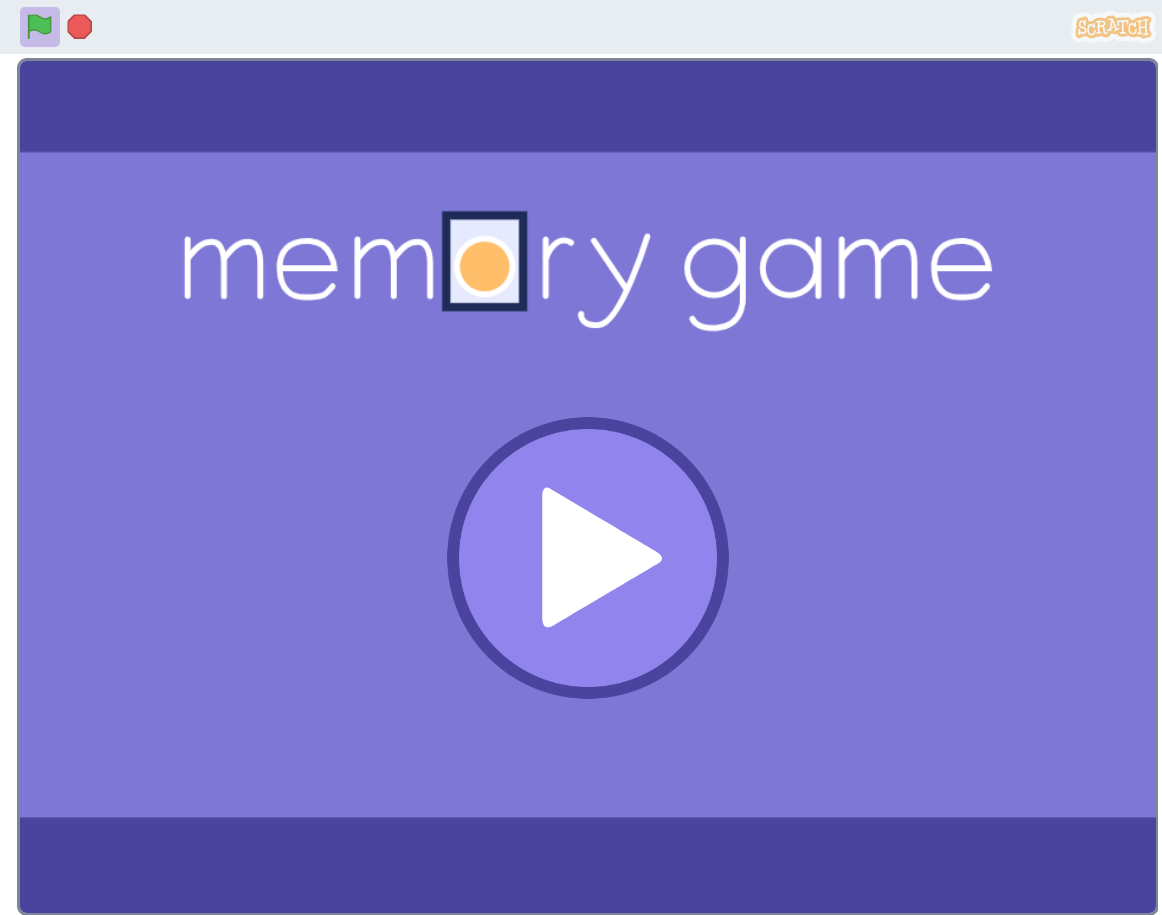
The game available at Joc Memorie Flash Cards on Scratch is an interactive project created on the Scratch platform, which offers an educational and fun experience for users.
Projects made on Scratch allow users to interact with animated characters, solve challenges, or learn new concepts through animations and programmed interactions. These games are used for educational purposes, being created by students or teachers to facilitate learning through play.
To explore this game and discover its content, I invite you to access the link provided and interact with the project directly on the Scratch platform.
-
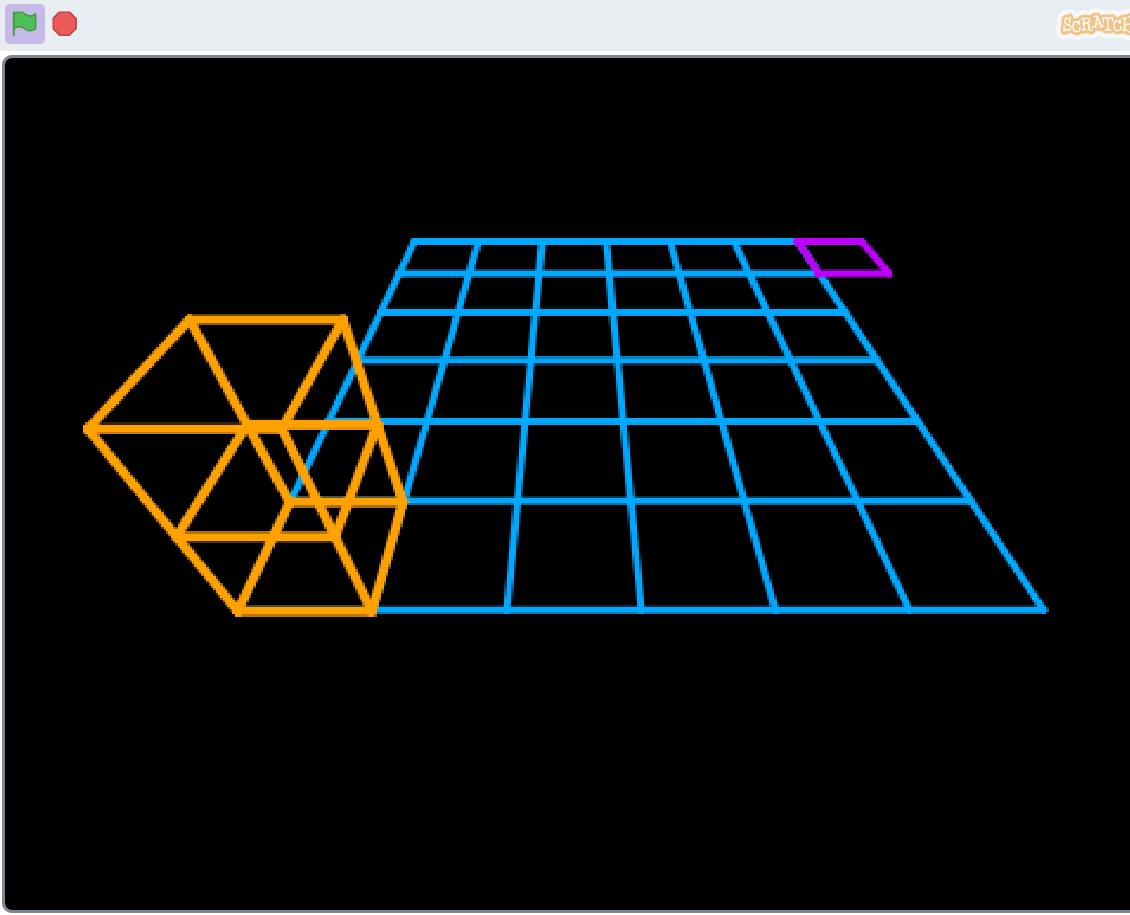
The game available at Flip 3D on Scratch is an interactive project created on the Scratch platform, which offers an educational and fun experience for users.
Projects made on Scratch allow users to interact with animated characters, solve challenges, or learn new concepts through animations and programmed interactions. These games are used for educational purposes, being created by students or teachers to facilitate learning through play.
To explore this game and discover its content, I invite you to access the link provided and interact with the project directly on the Scratch platform.
-
https://scratch.mit.edu/projects/1173712019
Jump, run, and slide your way through an epic parkour course! Test your reflexes and timing as you leap over obstacles, avoid traps, and race to the finish line. Use the arrow keys or spacebar to move — but be quick, one wrong move and it's game over! Can you beat all the levels and become the parkour master?
-
https://scratch.mit.edu/projects/1173711221
Guide your character through a tricky maze full of turns and obstacles! Use the arrow keys to move, avoid touching the walls, and reach the goal to win. Each level gets harder — do you have what it takes to escape them all? A fun way to test your focus, speed, and problem-solving skills!
-
https://scratch.mit.edu/projects/1173618537
An interactive and educational game for learning English vocabulary! Match Romanian words with their English equivalents, choose the correct answer from multiple options, and earn points. A fun and engaging way to improve your language skills — perfect for beginners and primary or middle school students
-
https://scratch.mit.edu/projects/1173616557
Get ready for action in this mini version of Brawl Stars, created entirely in Scratch! Choose your favorite character, move through the arena, dodge enemies, and collect power-ups. Use your special attack to defeat opponents and be the last one standing. Fast-paced, fun, and full of digital surprises — may the best
-
https://create.kahoot.it/share/sea/af808820-9279-4f01-b708-779e338b57bd
We prepared an exciting Kahoot quiz about water for our students!
This interactive game helped students review important topics such as:The water cycle
Properties and states of water
Ways to save and protect clean water
The importance of water for life and the environment
Students answered multiple-choice questions, competed in real time, and had lots of fun while learning. The quiz encouraged critical thinking, fast recall, and environmental awareness.At the end of the quiz, the top 3 students received “Water Hero” badges!
-
https://create.kahoot.it/share/lakes/3bb4373a-bd31-4a03-9060-395bb89ae878
We held a fun and educational Kahoot quiz about lakes with our students!
During the game, students explored and reviewed key topics such as:How lakes are formed
Famous lakes in Turkey and around the world
Lake biodiversity and habitats
The role of lakes in the water cycle
Protection and sustainability of freshwater resources
Through multiple-choice questions, students learned, competed, and had fun simultaneously.
The quiz helped raise environmental awareness, encouraged critical thinking, and made learning about lakes engaging and interactive.The top scorers earned the “Lake Expert” badge!
-
https://www.baamboozle.com/game/925193
We played a fun and educational water-themed game on Baamboozle with our students!
The game was played in teams and covered key water-related topics:
The water cycle (rain, evaporation, condensation)
States of water (solid, liquid, gas)
Clean water sources and conservation
Ways to prevent water waste
Environmental problems related to water
Students earned points for each correct answer, and some questions included fun “power-ups” like doubling points, losing points, or switching teams.By the end, students had learned a lot while having a great time! It boosted their awareness about water and encouraged teamwork and collaboration.
-
Language learning escape room
Find Teddy! A Bilingual Escape Room Adventure
Description (English):
Welcome to Find Teddy!, an interactive Genially escape room designed to help students learn and reinforce basic vocabulary in Basque (Euskera) and Spanish (Castellano) in a fun and engaging way.
Objective:
The main goal of this escape room is to find Teddy, a lost teddy bear, by successfully completing a series of vocabulary-based challenges. The game is divided into four lessons, each focusing on different thematic vocabulary sets (e.g., school, food, colors, emotions).
As players progress through each lesson, they must solve questions and activities using the vocabulary they've learned. These may include matching games, multiple choice quizzes, word-picture associations, and mini puzzles. Every correct answer brings them closer to discovering clues about Teddy’s location.
Final Challenge:
Only by completing all four lessons can players unlock the final challenge, where they must use everything they’ve learned to find and rescue Teddy. The journey is both a linguistic adventure and a fun narrative experience that motivates students to keep learning and improving their Euskera and Spanish skills.
Learning goals:
Reinforce basic vocabulary in both Basque and Spanish.
Improve comprehension and recall through gamified repetition.
Foster bilingual learning in an immersive and entertaining format.
-
https://play.kahoot.it/v2/?quizId=84adef22-8492-4680-a8e2-54ff13a7ae8b
Game Description
This Kahoot game is designed to help students learn and reinforce basic vocabulary and everyday expressions in both English and Spanish (Castellano) in a dynamic, interactive way.
The quiz includes a variety of questions that cover key language elements such as greetings, classroom objects, colors, days of the week, simple verbs, and common daily expressions. The aim is to promote bilingual competence, boost confidence, and make learning fun and fast-paced through competition and repetition.
The game can be used as a warm-up activity, a revision tool, or even as an assessment at the end of a unit.
How to Play
The teacher or host opens the Kahoot and shares the game PIN with the class (on a projector or screen).
Students join the game using a smartphone, tablet, or computer, entering the PIN and a nickname.
The Kahoot includes a set of multiple-choice questions, each with a time limit to keep the pace quick and exciting.
Questions alternate between English and Spanish, asking students to:
Match vocabulary with pictures
Choose the correct translation
Complete simple expressions
Identify mistakes or false friends
Players earn points for correct answers and for speed.
At the end of the game, the top-scoring players are shown on the podium!
The teacher can review the results to identify areas that may need extra practice.
-
Irregular Verbs Spin Challenge
https://wordwall.net/resource/87364191
Game Description
Irregular Verbs Spin Challenge is a dynamic and engaging classroom game to review and practice irregular verbs in English using a digital spinning wheel.
Each spin reveals the base form of an irregular verb, and students must recall and say the rest of the information: past simple, past participle, translation in Spanish, and a complete sentence using the verb.
It’s a perfect activity to reinforce grammar, vocabulary, pronunciation, and oral production in a fun and interactive way—ideal for revision sessions, warm-ups, or speaking practice.
How to Play
Display the spinning wheel (made in Wordwall, Genially, or another tool) with base forms of irregular verbs.
A student spins the wheel and receives one verb (e.g., go, see, bring, take).
Their task is to say aloud:
The past simple form (e.g., went)
The past participle (e.g., gone)
The translation into Spanish (e.g., ir)
A complete sentence using the verb in context (e.g., I have gone to London twice).
The teacher can assign 1 point per correct element (4 total), or more if pronunciation and sentence structure are strong.
The game can be played:
Individually, with each student taking turns.
In teams, where members collaborate to answer.
Optional variations:
Add a timer to increase pressure.
Include bonus rounds with tricky or less common verbs.
Let students create crazy/funny sentences to make it more creative.
The game continues until everyone has had a turn, a team reaches a target score, or time runs out
-
Long e group sort
https://wordwall.net/resource/85131579
Jolly Phonics: Sound & Spelling Sort is a phonics-based interactive game where students practice associating words with their corresponding sounds and spellings (graphemes) based on the Jolly Phonics program.
This activity helps reinforce phoneme-grapheme recognition and improve reading and pronunciation skills in early English learners. Students must sort words into groups according to the sound contain
The game can be adapted for individual, pair, or group play and works great as a literacy center, a review activity, or a reinforcement task after introducing new sounds.
How to Play
Open the Long & Group Sort activity on screen or assign it digitally.
Students are presented with a selection of words (either written or with images) and a set of target sounds or graphemes
The task is to drag and drop or group each word under the correct sound it begins with or includes.
The game can be played:
Individually, on a tablet or computer.
In pairs/small groups, projected on the board or interactive screen.
For more challenge, include:
Tricky words (decoys that don't belong).
Words with the sound in the middle or end.
Sound blends
Optional: Students can say the words aloud as they sort them, reinforcing pronunciation and auditory discrimination.
The activity ends when all words have been correctly sorted, or within a time limit.
-
Match up-homophones
https://wordwall.net/resource/85264202
Game Description
Homophones Match-Up is an interactive vocabulary game where students practice identifying and matching homophones—words that sound the same but have different spellings and meanings (e.g., pair/pear, see / sea).
This activity strengthens listening skills, spelling recognition, and vocabulary understanding by challenging students to carefully think about word meanings and context. It’s ideal for English learners working on common spelling patterns and word usage.
The game is designed as a matching activity in Wordwall, where students drag and connect word pairs that are homophones.
How to Play
Open the Homophones Match-Up game on Wordwall.
Students will see a collection of words on one side of the screen.
Their task is to match each word with its homophone by dragging and dropping or connecting the correct pair.
Example: flower ↔ flour
knight ↔ nightThe game can be played:
Individually, on a tablet or computer.
In pairs or small groups, on an interactive whiteboard or shared screen.
Optional variation: Before matching, students can say the words aloud and try to guess the homophone by sound.
For extra challenge, include:
Homophones with tricky spellings (e.g., their/there/they’re)
Picture clues or short sentences with blanks for context.
The game ends when all the homophone pairs have been correctly matched.
-
Match up-exploring vocabulary
https://wordwall.net/resource/87363503
Game Description
Explore the Wild: Expression Match-Up is a bilingual vocabulary game where students practice and reinforce English expressions related to exploring in the wild by matching them with their correct Spanish translations.
The game introduces students to practical and thematic expressions such as pitch a tent, follow a trail, light a campfire, or get lost in the woods, helping them build functional vocabulary connected to adventure, nature, and survival.
It promotes both language acquisition and semantic understanding, making it ideal for CLIL lessons, bilingual projects, or thematic vocabulary work.
How to Play
Open the Match-Up activity on Wordwall or a similar platform.
Students will see a list of English expressions on one side and Spanish translations on the other.
Their task is to match each expression in English with its correct meaning in Spanish.
Example: pitch a tent → montar una tienda de campaña
follow a trail → seguir un senderoThe game can be played:
Individually, on tablets or computers.
In pairs or teams, on a shared screen or interactive board.
Optional:
Add images or icons to support visual learning.
Include false matches as distractors to increase difficulty.
Ask students to say the expressions aloud or use them in simple sentences after matching.
The game finishes once all expressions are correctly matched, or within a time limit if using a competitive mode.
-
Find the match: Science and phrasal verbs vocabulary
https://wordwall.net/resource/82708413
Game Description
Find the Match: Science & Phrasal Verbs Edition is a fast-paced bilingual vocabulary game in which students must match English terms related to experiments and scientific actions—especially phrasal verbs—with their correct translations in Spanish.
As each word or expression appears on the screen (e.g., carry out, set up, take notes), students have limited time to find and match it with its corresponding meaning in Spanish before it disappears. This format encourages quick thinking, memory recall, and contextual understanding, making it ideal for vocabulary consolidation and revision in bilingual science or English lessons.
How to Play
Open the Find the Match activity on a platform like Wordwall or LearningApps.
On the screen, a word or expression in English will appear, related to science experiments or phrasal verbs.
Students must quickly match it with the correct Spanish translation before the word disappears or moves on.
Example:
set up the experiment → preparar el experimento
carry out a test → realizar una pruebaGame mechanics:
Timed mode: Each match must be made within a few seconds.
Lives/Attempts: Optional setting to allow limited errors.
Points system: Correct matches earn points; faster answers score more.
The game can be played:
Individually, on a device.
In pairs or groups, projected on the board for classroom competition.
Optional additions:
Include distractor options to increase difficulty.
After a correct match, ask students to use the phrasal verb in a sentence.
Add sound effects or visuals to reinforce meaning and engagement.
The activity ends when all matches are made, the time runs out, or a score goal is achieved.
-
Baamboozle: vocabulary game
https://www.baamboozle.com/game/3223068
Objective:
Practice the use of the past simple tense in English through a fun, team-based question game. Students answer questions that require them to form past tense verbs correctly in affirmative, negative, and interrogative sentences.Skills Practiced:
Past simple verb formation (regular and irregular)
Sentence construction in past tense
Speaking accuracy and fluency
Team collaboration and quick thinking
How to Play:
Divide the class into teams.
Take turns selecting questions from the game board.
A team says their answer aloud (e.g., “She didn’t go to the party.”).
Click “Check” to reveal the correct answer.
Click “Okay” if the team is correct, or “Oops” if the answer is wrong.
Game Features:
Questions may involve:
Changing verbs into past tense (e.g., “go → went”)
Completing sentences with the correct past form
Identifying errors in past tense usage
Answering simple past questions (e.g., “What did you do yesterday?”)
Variations / Extensions:
Add bonus point cards or trick cards using Bamboozle’s tools
Have students explain their answers or translate into L1 (Spanish, Basque, etc.)
Use speaking dice or ask follow-up questions for extra fluency practice
Ideal For:
ESL/EFL grammar practice
Reinforcement of regular/irregular verbs
Whole-class activities, pair competitions, or small group work
Game Ends When:
All questions have been answered, or
A set time or point goal is reached
-
Electricity kahoot-Science review
https://kahoot.it/challenge/07633763?challenge-id=730003f9-bafb-4cb7-9678-7fa693a193b9_1750602582838
Review and assess students' understanding of key concepts related to electricity in a fun, interactive way using a competitive Kahoot quiz. Students will answer multiple-choice questions to demonstrate what they have learned in their Science lessons.
Skills Practiced:
Key vocabulary about electricity
Understanding of electric circuits (open/closed)
Identification of conductors and insulators
Knowledge of energy sources (renewable and non-renewable)
Application of basic electrical safety rules
How to Play:
Students join the Kahoot game using a device (tablet, laptop, or phone).
The teacher displays the questions on the screen.
Students answer each question individually or in pairs/small teams.
The faster they answer correctly, the more points they earn.
At the end, the leaderboard will show the top scorers!
Variations / Extensions:
Play in teams and combine scores
After each question, ask a follow-up like: “Why is that the correct answer?”
Allow students to explain concepts in L1 (Spanish/Basque) to reinforce meaning
Add extra discussion: “How can we save electricity at home/school?
Ideal For:
End-of-unit revision in Science
-
CIrculatory system kahoot-Science review
https://kahoot.it/challenge/01593592?challenge-id=730003f9-bafb-4cb7-9678-7fa693a193b9_1750602664032
Review and assess students' understanding of key concepts related to the circulatory system in a fun, interactive way using a competitive Kahoot quiz. Students will answer multiple-choice questions to demonstrate what they have learned in their Science lessons.
Skills Practiced:
Key vocabulary about the circulatory system
Identification of main organs: heart, blood vessels, blood
Understanding the functions of the heart and blood
Differentiation between veins, arteries, and capillaries
Knowledge of oxygen transport and waste removal
How to Play:
Students join the Kahoot game using a device (tablet, laptop, or phone).
The teacher displays the questions on the screen.
Students answer each question individually or in pairs/small teams.
The faster they answer correctly, the more points they earn.
At the end, the leaderboard will show the top scorers!
-
Člověče nezlob se
(literally "Man, don’t get angry!") is a traditional Czech board game for 2 to 4 players (sometimes up to 6). It is the Czech version of the internationally known game Ludo, which itself is based on the ancient Indian game Pachisi.
Our pupils tried to programme this traditional game in Scratch platform, which offers an educational and fun experience for users.
Here is the link : https://scratch.mit.edu/projects/1192169658/
Projects made on Scratch allow users to interact with animated characters, solve challenges, or learn new concepts through animations and programmed interactions. These games are used for educational purposes, being created by students or teachers to facilitate learning through play.
-
Dáma (checker)
is the Czech name for the classic strategy board game Checkers (or Draughts). It is played by two players on a square 8×8 board and involves moving pieces diagonally and capturing the opponent’s pieces by jumping over them.
There are several international versions of Checkers, and Czech Dáma has its own set of rules that differ slightly from other variants like American Checkers or International Draughts.
Our pupils tried to programme this traditional game on the Scratch platform.
Here is the link : https://scratch.mit.edu/projects/1192172756/ -
Abaku kostky (Abaku dice)
Abaku kostky (Abaku dice) are part of the Czech educational math game called Abaku. It's a logic-based game that uses numbers and mathematical operations to form valid equations. The game is designed to develop mental arithmetic, logical thinking, and creativity in a fun and engaging way.
Here is the link : https://scratch.mit.edu/projects/392130319/ -
European union kahoot quiz
https://create.kahoot.it/details/efcf3942-216e-474f-8b17-e3c5aabb0047
Within celebration of Erasmus days, pupils prepare the quiz about countries in European Union. Students answered multiple-choice questions to demonstrate what they have learned about European countries.
-
Vocabulary and grammar practise game
We use platform jeopardylabs.com in our lessons very often. Students can create their own quizzes. This one is focused on practising English grammar and vocabulary:
https://jeopardylabs.com/play/quizz-1802
 Create Future Gaming 2023-1-ES01-KA210-SCH-000150686