 Create Future Gaming 2023-1-ES01-KA210-SCH-000150686
Course Content
Topic outline
-
-
Forum
-
-
Virtual reality is experiential; it asks viewers not just to watch the film, but also to
participate in it. By giving students roles to play (astronauts, anthropologists, museum
curators, deep-sea divers) and having focused objectives (collecting data, sharing insights,
making recommendations), teachers provide students with a mission to decode their
experiences.
Partners
This medium is all about exploration, inquiry and play, so while students will have a
learning objective, they should also have plenty of time to follow their curiosities and
investigate the new worlds they find themselves in. We suggest students watch the video
at least twice: once to explore and again to make specific observations related to their
Exploration and Inquiry
This medium is all about exploration, inquiry and play so while students will have a learning
objective, they should also have plenty of time to follow their curiosities and investigate
the new worlds they find themselves in. We suggest students watch the video at least
twice: once to explore and again to make specific observations related to their roles and
goals.
Journaling
After students view the V.R. video, they should have an opportunity to record their
observations, synthesize their ideas and reflect on their overall experience. Each of our
lessons includes a journaling opportunity, such as the “If I Were There” and “Notice and
Wonder” protocols. Then, students can discuss what they wrote.
-
File
-
-
Tips for Getting Started With V.R.
-
Lesson Plans
-
File
-
File
-
-
The NYT VR Video
The Displaced (11 min.)
Meet Three Children Displaced by War and Persecution More than 70 million people are currently displaced from
their homes by war and persecution. Half are children. In this V.R. documentary, viewers travel to Ukraine, Syria and
Sudan to learn the stories of three of those children.
Students have been invited to form a student council to explore the impact of civil war on
children, refugees and internally displaced persons in Ukraine, Syria and Sudan. As
members of this council, their goal is to share insights from their experience with their
peers and identify ways they can support displaced people in their community and around
the world.
Before Your Trip to Ukraine, Syria, and Sudan
What do your students know about the global refugee crisis? Before they take off on their
trip, have them create a K/W/L chart, either individually or as a class, to record what they
know and what they want to know about the crisis.
Then, have students to look up the definitions of “refugee” and “displaced person.” They
can add these definitions to their chart.
Finally, show students this three-minute clip (Facing History and Ourselves) of Samantha
Power, former U.S. ambassador to the United Nations, giving an overview of the current
refugee crisis. Invite them to discuss what they learned and the questions they have, and
then add those to their K/W/L chart.
During your trip:
Now students will embark on their virtual field trip to Ukraine, Syria and Sudan by watching
“The Displaced.” As they watch, they should pay attention to the moments of “connection”
and “disconnection” they have with the three children profiled in the film. In what ways are
their personalities, families, homes, hopes and dreams, and life experiences similar? In what
ways are they different?
After students have finished watching, they can journal or make a list in a T-chart about the
“connections” and “disconnections” they have with the children.
Lastly, they can add anything new they learned about the refugee crisis to their K/W/L
charts.
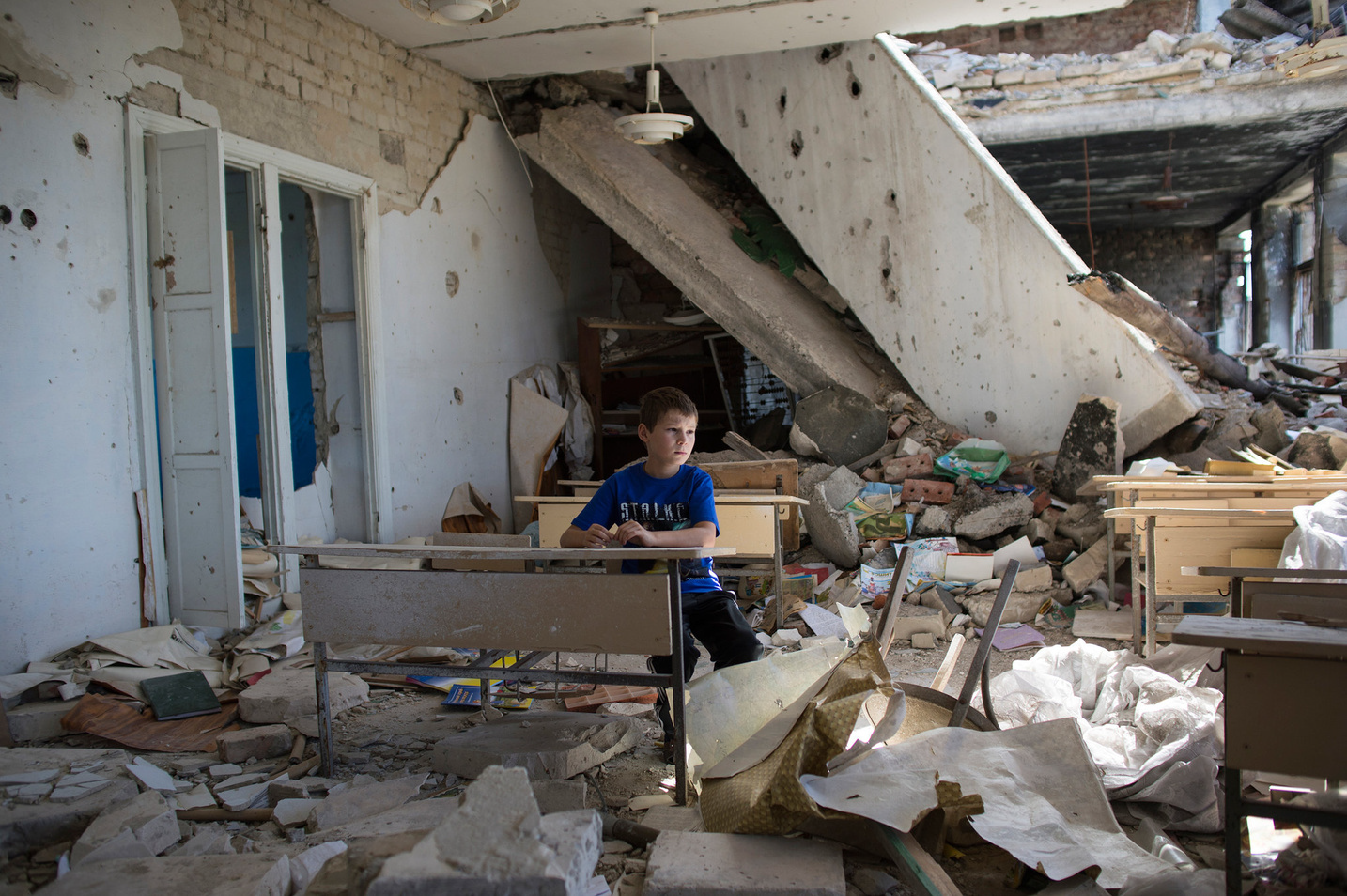
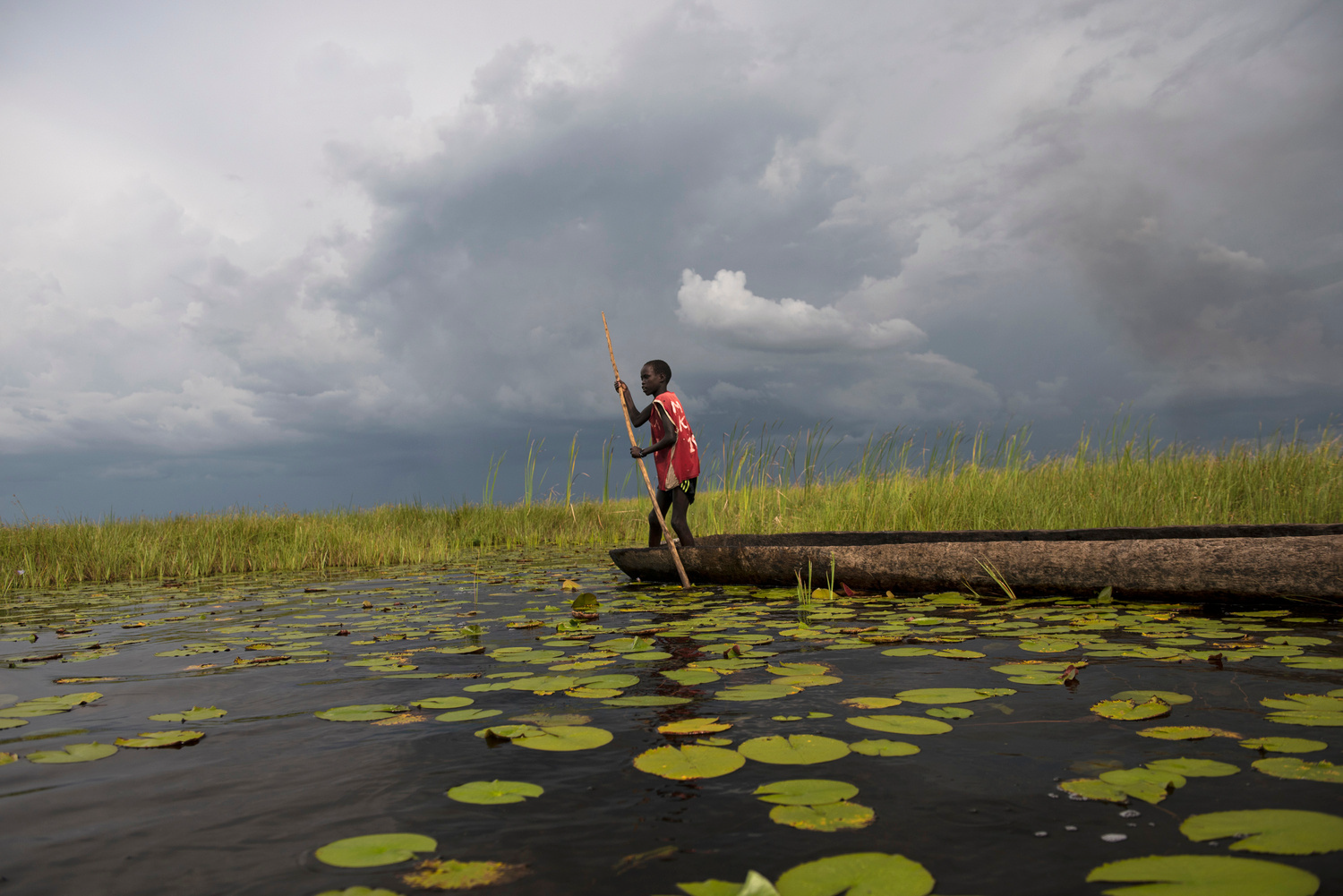
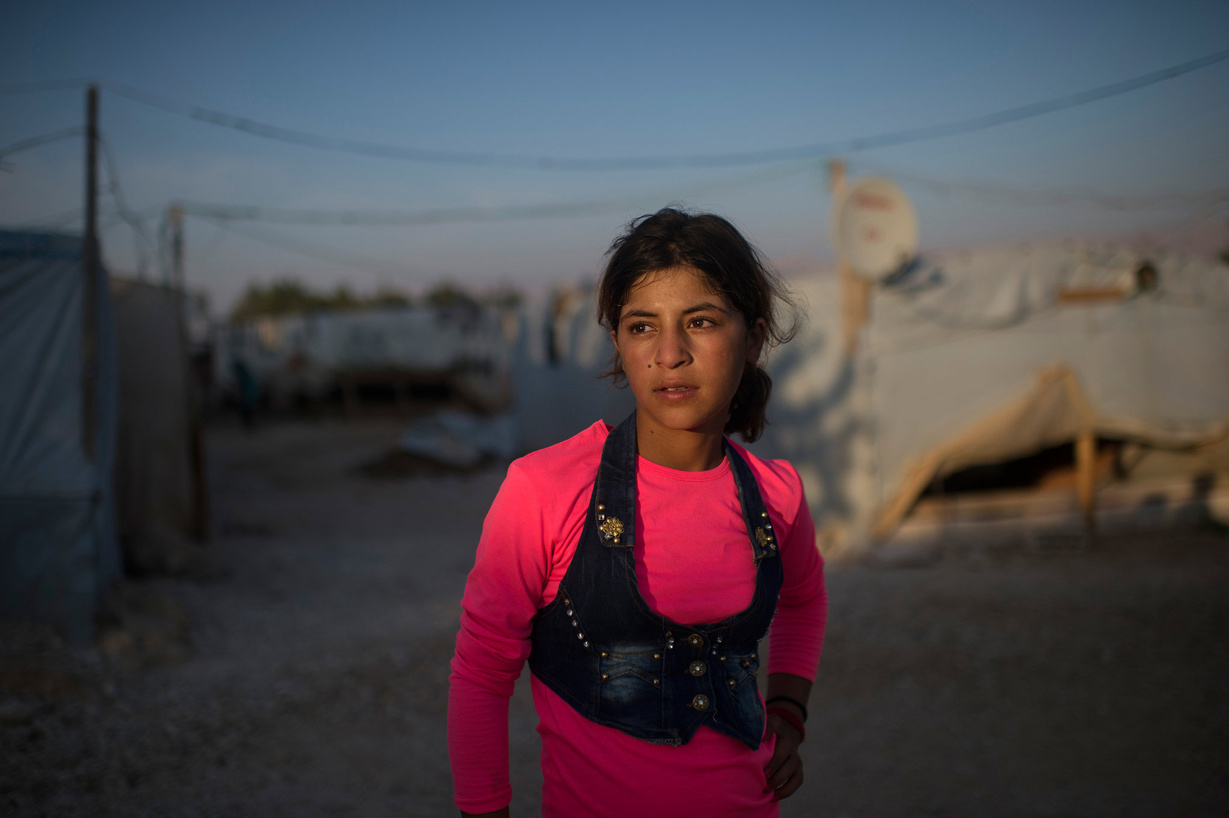
After Your Trip
Which moments in the video were particularly surprising, moving or affecting to you?
What are some of the causes of displacement around the world? How does
displacement affect the lives of children particularly?
How was virtually visiting Oleg, Hana and Chuol different than learning facts about the
refugee crisis? What did it feel like to “be” there?
What are some things you found you had in common with these children? In what ways
are your lives different? What do you think it would be like to be forced from your
home?
If you could talk to these children, what questions would you ask them? What else
would you want to know about their lives?
United States (The New York Times)
4 Ways You Can Support Refugees (Voices of Youth)
Taking Action to Assist Syrian Refugees (I Am Syria)
As members of this special student council, students should come up with a proposal for
how they can support refugees or people who have been displaced.
They might start by watching Ms. Power talk about small steps individuals can take to help
refugees in this one-minute video (Facing History and Ourselves).
Then, they can brainstorm actions they can take on a school level, a local level, a national
level and an international level. For example, if there are refugees at their school or in their
community, what could they do to support them? If students themselves are refugees, they
might share their experiences and what support they would want most from others.
Here are some more resources to get them started:
Students might choose one of the actions they brainstormed and develop it into a plan for
supporting refugees in their school, community or country.
Meet Three Children Displaced
by War and Persecution
Further Reading
The Displaced: Introduction
The Displaced: Oleg
The Displaced: Chuol
The Displaced: Hana
-
Four Antarctic Expeditions
The NYT VR Videos
The Antarctica Series (4 videos)
Four Antarctic Expeditions
In this collection of four V.R. videos,
viewers explore life on, above and
below the Antarctic ice.
Your school has decided to establish a student expeditionary force to Antarctica to explore
life around the continent. Students’ goal is to document their experience and share it with
their peers so they can better understand the Antarctic environment and landscape as a
whole.
Before Your Antarctic Expedition
Have students choose the expedition they want to go on, or assign them to one, making
sure each excursion has an even number of people.
Invite students to convene with the other students who are going on their expedition. In
their groups, have them discuss what they already know about Antarctica. Then, based on
their prior knowledge and the description of their V.R. experience, have them make a list of
essentials they would likely need to take with them.
Finally, challenge them to make some predictions: What do they think they will find as they
explore life on, above and below the Antarctic ice?
VIEW SERIES:
The New York Times
YouTube VR
(links below)
12
In “Under a Cracked Sky” (10 min.), dive under eight feet of sea ice to swim with
seals, explore ice caves and float above a dark seabed crawling with life.
In “Three Six Juliet” (11 min.), fly in a helicopter through the McMurdo Dry Valleys,
one of the most extreme environments on Earth.
In “McMurdo Station” (9 min.), join the mechanics, cooks, drivers, firefighters,
scientists and others who run a research station on the least habitable continent,
thousands of miles from civilization.
In “A Shifting Continent” (15 min.), fly with scientists in a military cargo plane as they
probe the structure of the Ross Ice Shelf, a Texas-size chunk of floating ice.
DURING YOUR EXPEDITION
Now students will embark on their chosen Antarctic expedition from “The Antarctica
Series.” As they watch, they should act like researchers, collecting data on their experience
to report back to their classmates. They will become the “experts” on this particular piece of
the continent, so it’s important they take detailed notes about their observations.
If I were there, I would touch …
f I were there, I would see …
If I were there, I would hear …
If I were there, I would smell …
If I were there, I would taste …
If I were there, I would feel …
 Create Future Gaming 2023-1-ES01-KA210-SCH-000150686